Pluriversal Recapturings (Riconquiste pluriversali), 2026
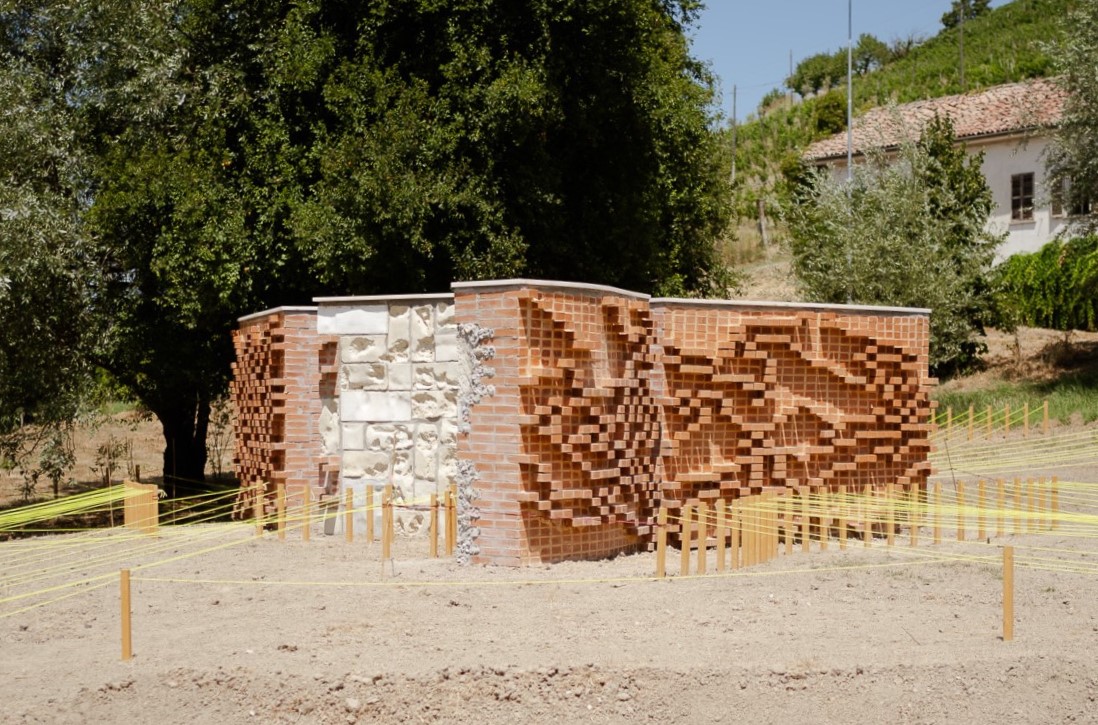
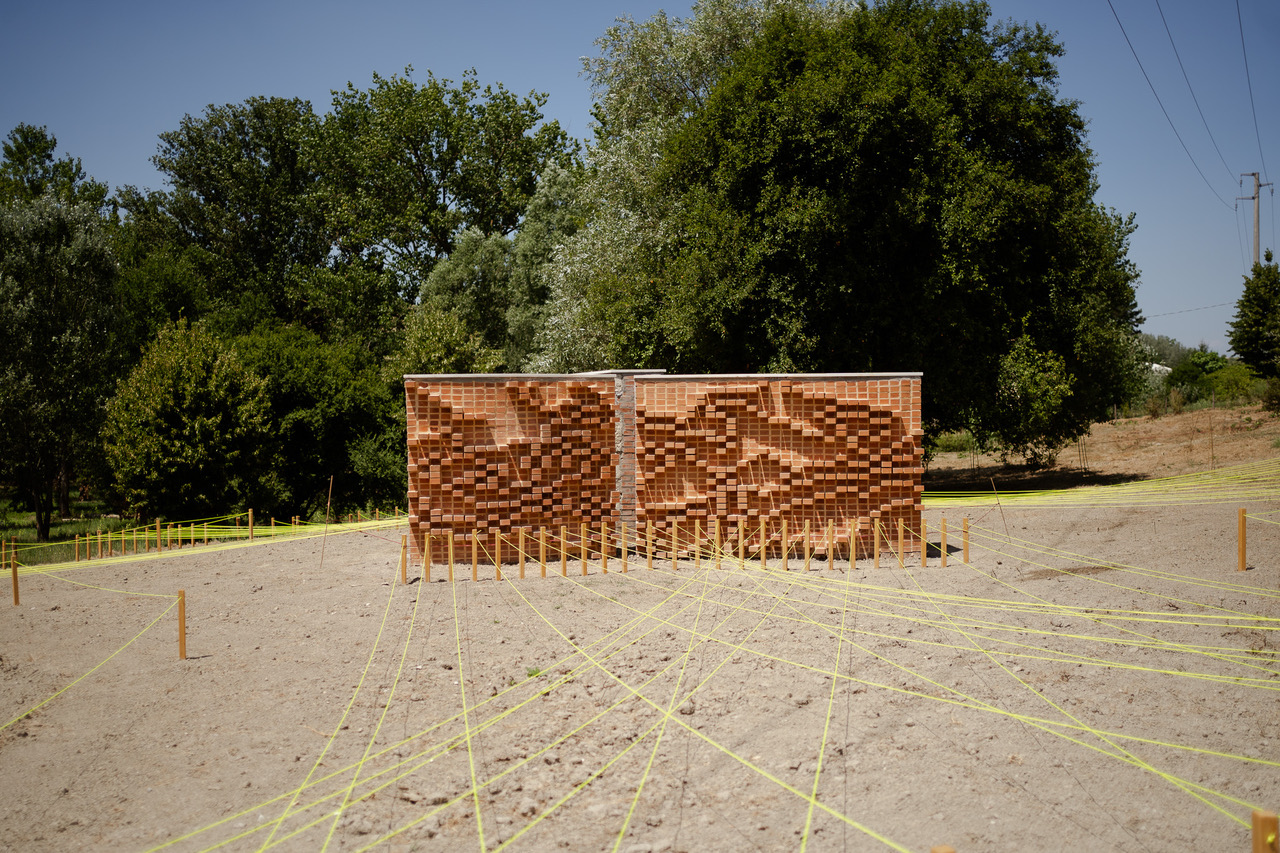
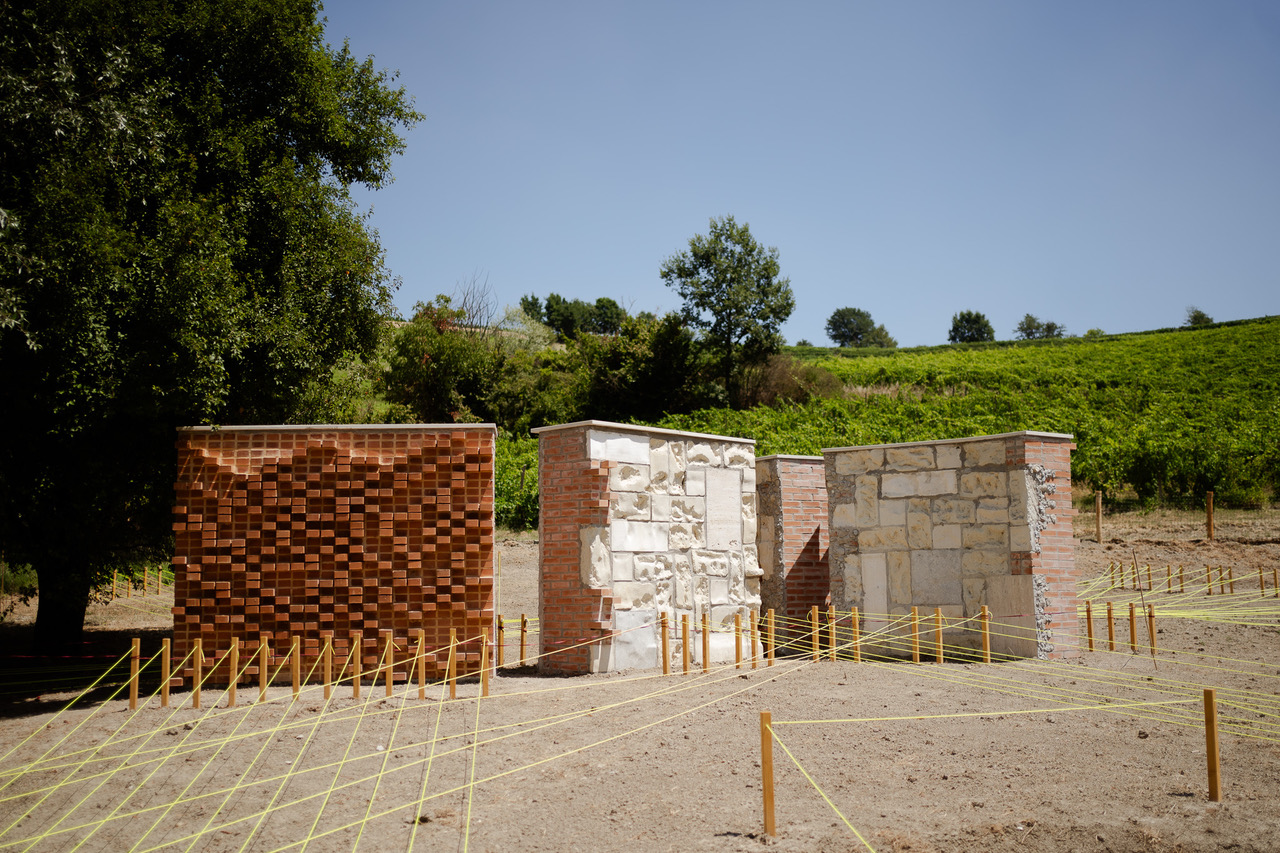
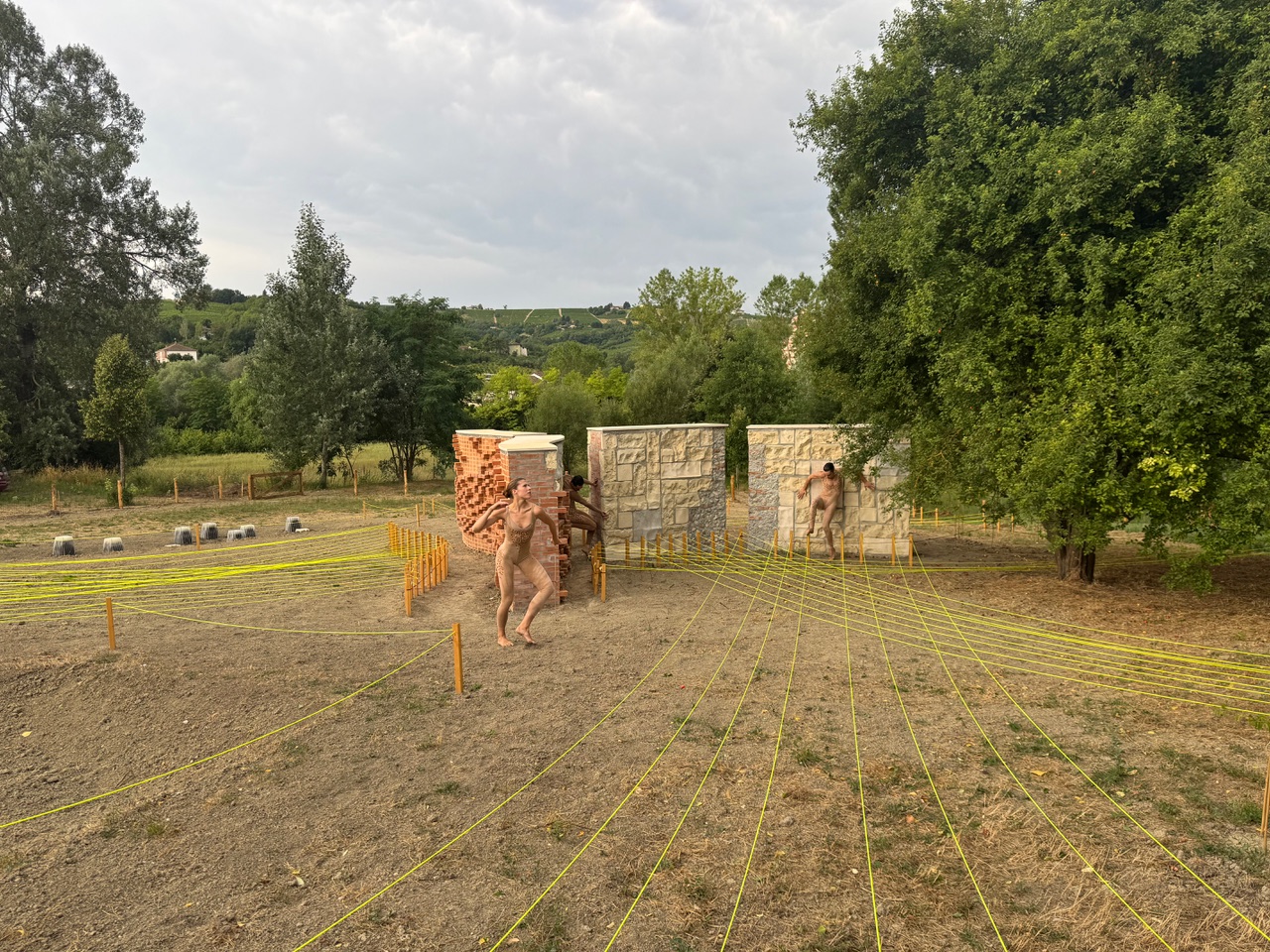
Site-specific installation consisting of 4 elements arranged at place as a surrounding ecosystem.
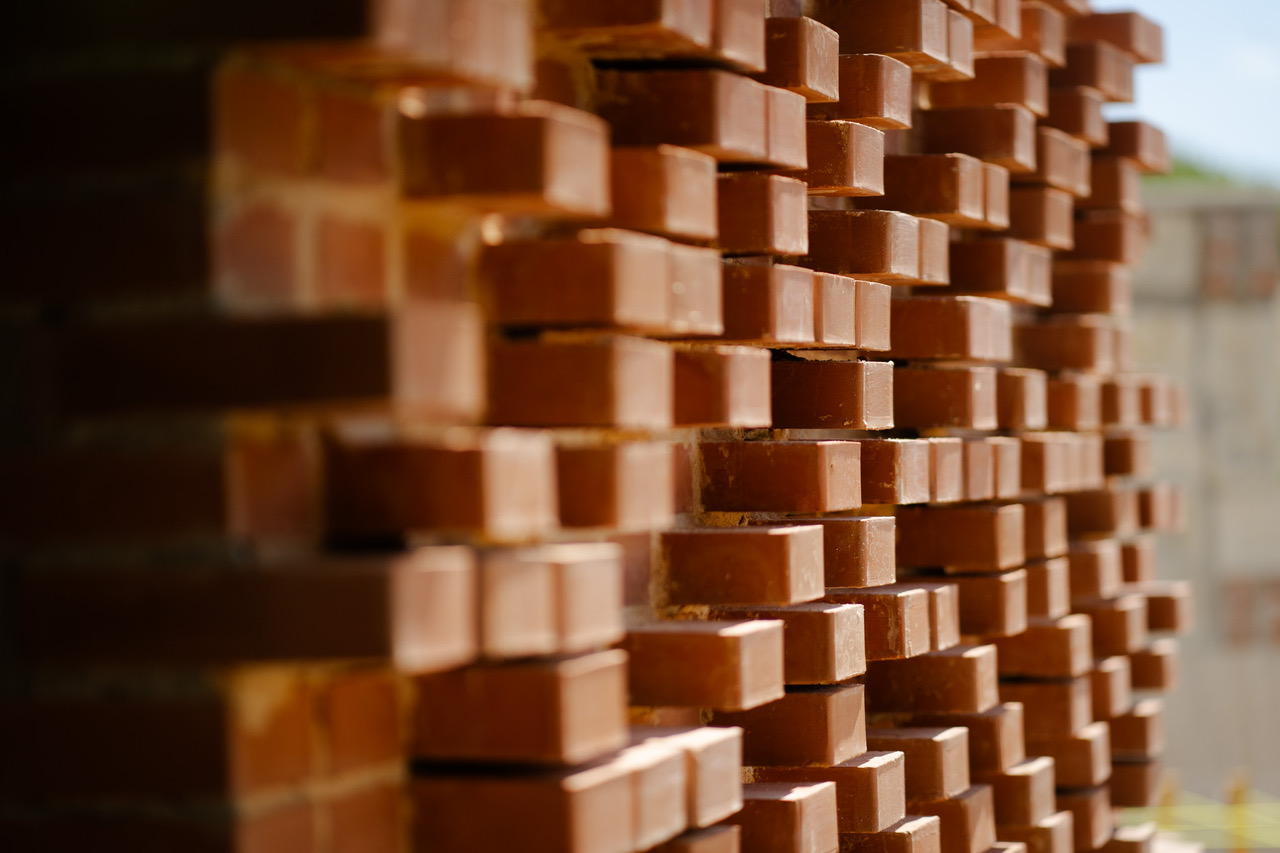
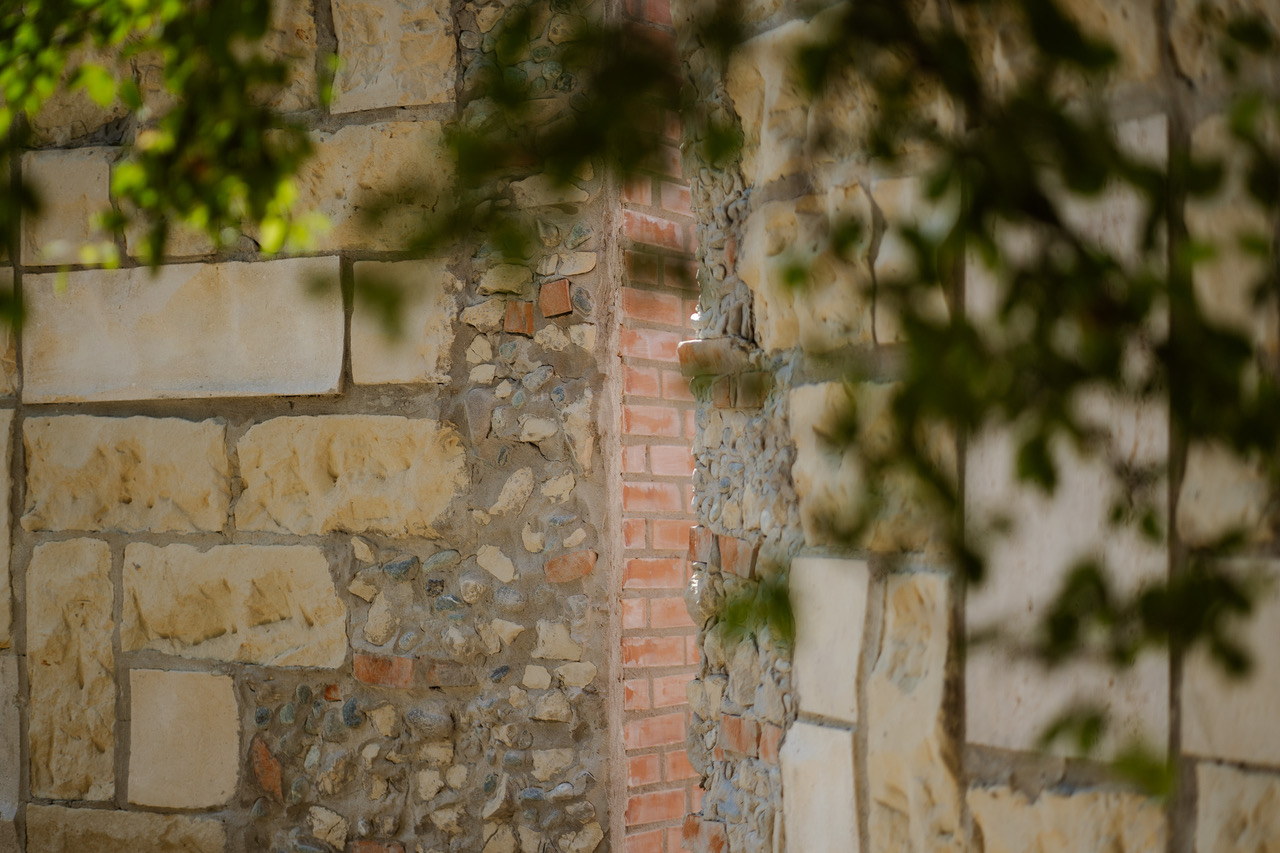
Materials: Pietra da Cantoni stone, bricks, white Vicenza stone, grey Vicenza stone, Nuvolato travertine, Lecce stone, mortar with fragments of Pietra da Cantoni stone, bricks, and river stones
Dimensions: each of the 4 elements measures approx. h 180 x 300 x 70 cm (the total area is approx. 546 x 712 cm)
Landscape design developed in collaboration with ecoLogicStudio
Creative producer Elisa Strinna
Financed by Regione Piemonte and Ministry of Tourism for the Municipality of Canelli in celebration of Sito UNESCO Vineyard Landscape of Piedmont: Langhe-Roero and Monferrato
The work has been commissioned by Castello di Rivoli Museo d’Arte Contemporanea
Courtesy of Castello di Rivoli Museo d’Arte Contemporanea, Rivoli-Torino
------------------------------------------------------------------------------------------------------------------------
Conceived specifically for the site of La Moncalvina in Canelli, in northern Italy, Pluriversal Recapturings emerges from the encounter between Maria Thereza Alves’s research and one of Europe’s most significant cultural landscapes, recognised by UNESCO as an outstanding example of the interaction between human activity and the natural environment.
For the project developed in Canelli, Alves undertook research in collaboration with professionals, university scholars, and local communities within Paesaggi Vitivinicoli di Langhe-Roero and Monferrato, exploring the long-standing relationships between territory, flora, fauna, architecture and agricultural practices.
This investigation led to the development of Pluriversal Recapturings, a site-specific intervention comprising a wall structure, built of bricks and punctuated by inserts of different stones and designed to offer habitat and microclimatic possibilities for a variety of local flora and fauna.
The work invites us to reflect on the coexistence of the different forms of life inhabiting the territory and on the landscape intended as a dynamic system of relationships shaped by historical, cultural, and ecological stratifications. In this sense, the project proposes a vision of the UNESCO heritage not as a static image to be preserved, but as a living organism and a shared space in continuous transformation.
As part of Pluriversal Recapturings, Alves invited ecoLogicStudio to collaborate on the design and realization of a multi-species garden with native flora. The garden was delayed in planting and the yellow vectors in the images indicate where flora will flourish next year.
The project represents an important opportunity for dialogue between contemporary art, landscape, and cultural heritage. It offers a reflection on landscape as a collective construction and living organism, shaped by historical stratifications, ecological relationships, and constantly evolving cultural practices.
Text by Maria Thereza Alves about the work (PDF)
Further information about the work and the project
A short Instagram reel with Alves speaking about the project